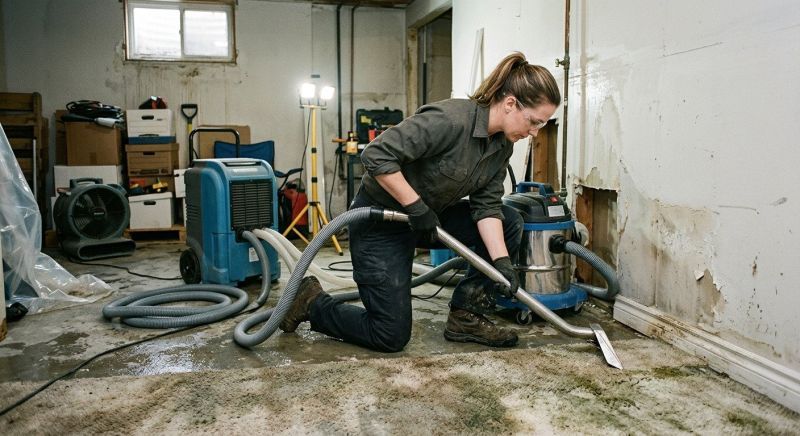
Flood Damage Restoration in Wilmington, NC
Flood damage restoration services focus on repairing properties affected by water intrusion caused by storms, burst pipes, or plumbing failures. These projects typically involve water extraction, drying, cleaning, and mold prevention to restore the property’s safety and functionality. Homeowners often seek this service to address visible water damage, lingering odors, or concerns about mold growth, aiming to prevent further deterioration or health issues. Understanding the extent of water infiltration, the types of materials affected, and the necessary steps for thorough drying and sanitization are common considerations before requesting flood damage restoration.
Property owners should be aware that flood damage restoration can involve multiple phases, including debris removal, moisture detection, and structural assessments. It’s important to inquire about the scope of work, including whether areas like flooring, drywall, or insulation will be involved, and what measures are taken to prevent mold and bacteria growth. Clear communication about the process and expectations can help ensure the property is properly restored and protected against future issues related to water damage.
Many property owners in Wilmington, NC look into Flood Damage Restoration for repairs, replacements, upgrades, and appearance-related improvements.
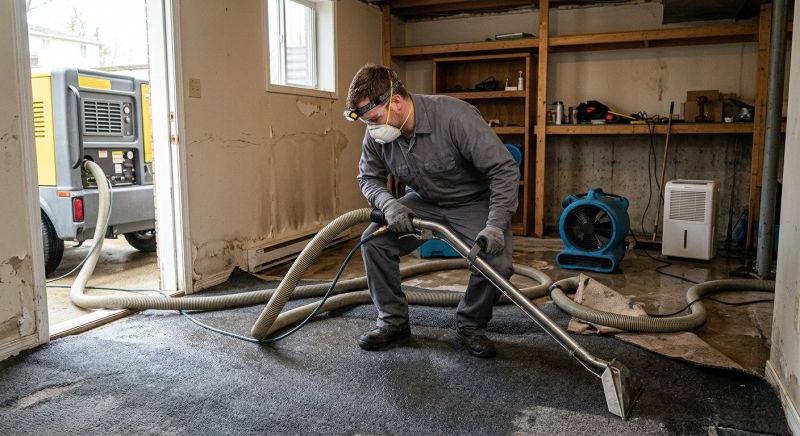
Water Damage Cleanup
Effective removal of excess water to prevent further damage and mold growth.
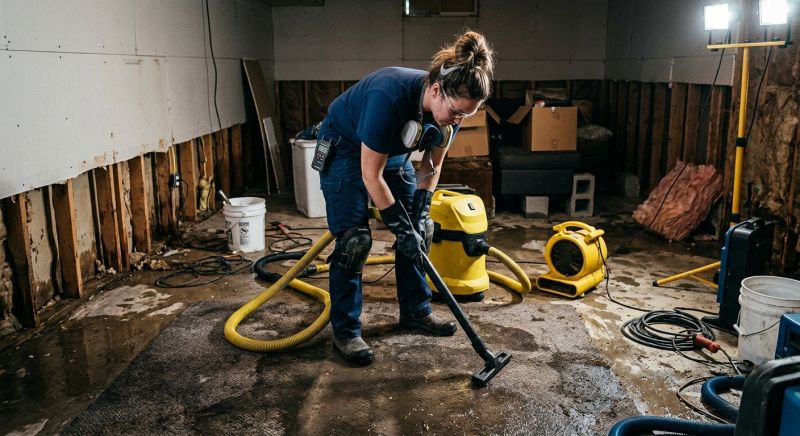
Structural Drying And Repairs
Restoring the integrity of walls, floors, and foundations affected by flooding.
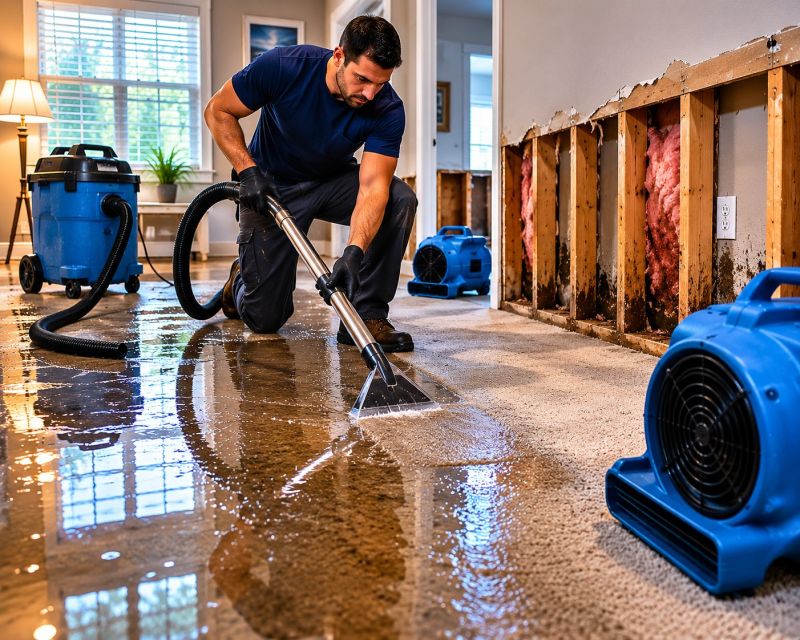
Mold Prevention And Restoration
Treating affected areas to eliminate mold and ensure a safe indoor environment.
Flood Damage Restoration in Wilmington, NC
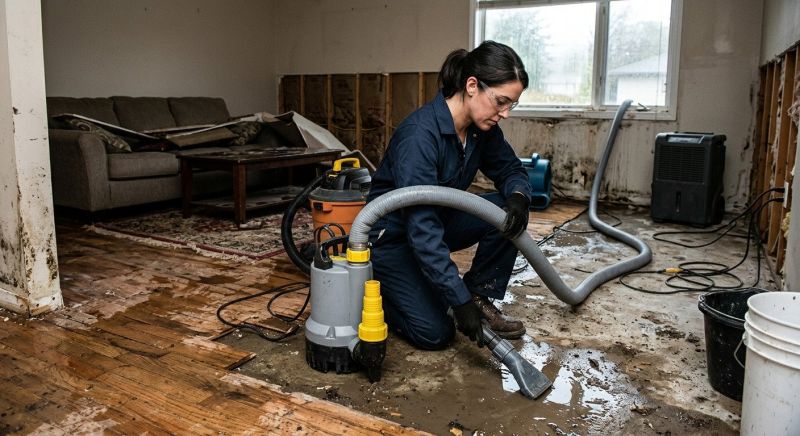
Flood damage restoration services focus on repairing properties affected by water intrusion caused by storms, burst pipes, or plumbing failures. These projects typically involve water extraction, drying, cleaning, and mold prevention to restore the property’s safety and functionality. Homeowners often seek this service to address visible water damage, lingering odors, or concerns about mold growth, aiming to prevent further deterioration or health issues. Understanding the extent of water infiltration, the types of materials affected, and the necessary steps for thorough drying and sanitization are common considerations before requesting flood damage restoration.
Property owners should be aware that flood damage restoration can involve multiple phases, including debris removal, moisture detection, and structural assessments. It’s important to inquire about the scope of work, including whether areas like flooring, drywall, or insulation will be involved, and what measures are taken to prevent mold and bacteria growth. Clear communication about the process and expectations can help ensure the property is properly restored and protected against future issues related to water damage.
Many property owners in Wilmington, NC look into Flood Damage Restoration for repairs, replacements, upgrades, and appearance-related improvements.
Common Flood Damage Restoration Jobs
Flood Damage Cleanup - removing standing water and debris to prevent further damage.
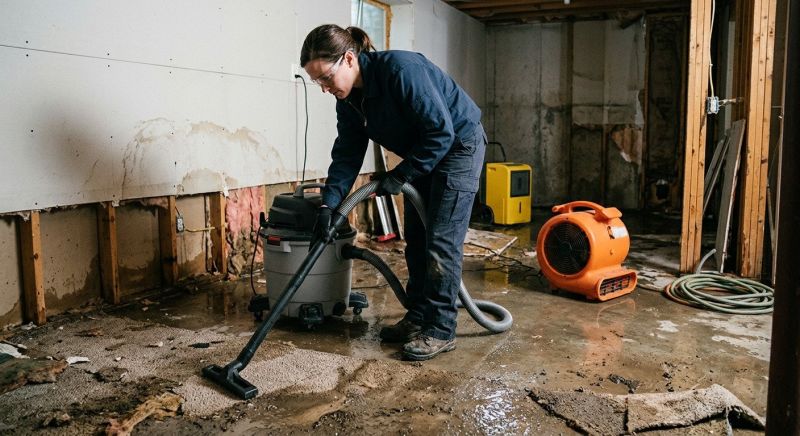
Water Extraction - using specialized equipment to quickly remove excess water from affected areas.
Structural Drying - drying out walls, floors, and foundations to inhibit mold growth.
Mold Prevention - applying treatments to reduce the risk of mold development after flooding.
Content Restoration - salvaging and restoring personal belongings damaged by water.
Structural Repairs - repairing or replacing damaged building materials to restore property integrity.
Flood Damage Restoration Questions
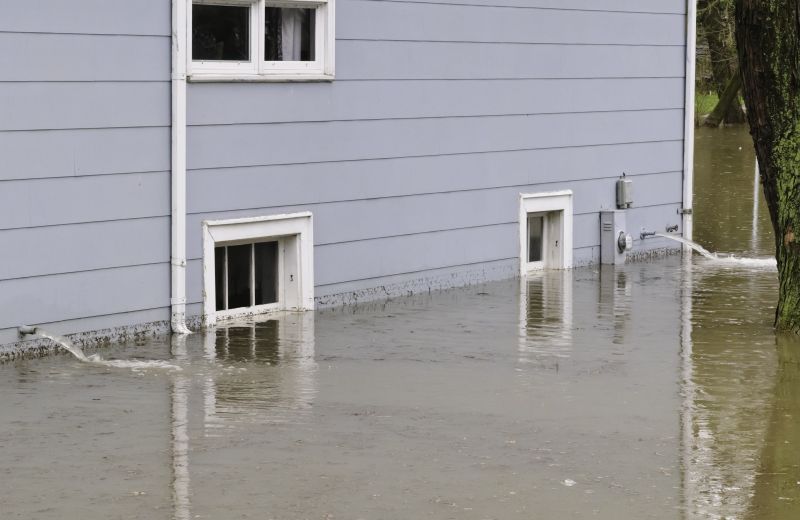
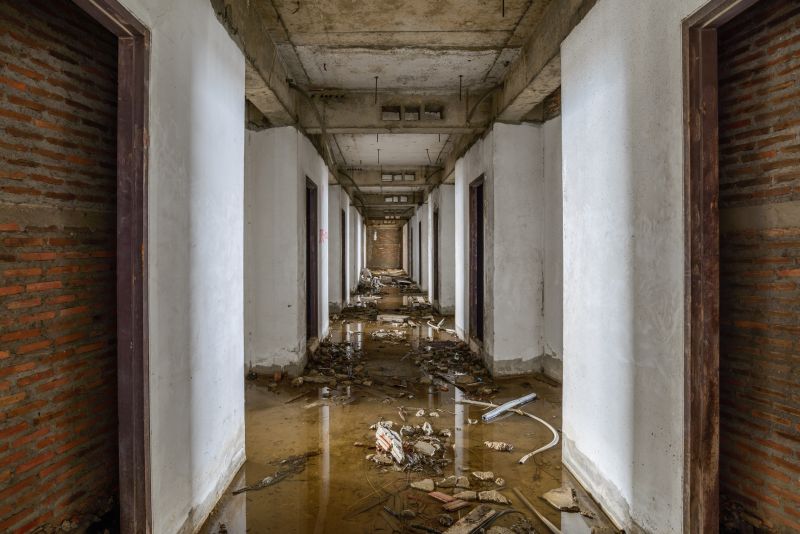
What types of flood damage require restoration? Flood damage from leaks, heavy rainfall, or storm surges can affect floors, walls, and belongings, requiring professional cleanup and repair.
How does flood damage restoration help property owners? It removes excess water, prevents mold growth, and restores the property's safety and appearance after flooding events.
What are common signs of flood damage? Visible water stains, musty odors, warped surfaces, and mold growth are typical indicators of flood-related issues.
Why should property owners consider professional flood restoration? Professional services ensure thorough cleanup, proper drying, and mitigation of future problems caused by flood damage.
Request Flood Damage Restoration in Wilmington, NC
Use the quote form on this page to share the basics of your project and request more information for the type of work you need.