Get Water Damage Restoration
Water damage restoration services help property owners repair and dry out homes after flooding, leaks, or burst pipes, involving cleanup, drying, mold prevention, and property repair.
Water damage restoration is a critical service for property owners dealing with the aftermath of leaks, flooding, or plumbing issues. If your property has experienced water intrusion, finding experienced local contractors can help restore safety and prevent further damage. Exploring your options now allows you to compare different service providers, evaluate their approaches, and select the one best suited to your specific situation.
Many property owners in the area turn to local service providers for expert assistance with water damage restoration. Whether addressing immediate concerns or planning for long-term repairs, understanding the available options can support informed decisions. Continuing to explore this work ensures you can connect with trusted professionals who are equipped to handle the unique needs of your property.
- Flooded Basement Cleanup - needed when heavy rains or burst pipes cause water to accumulate in lower levels of a property.
- Leaking Roof Repair - required after storm damage or aging roofing materials lead to water seeping into the building.
- Sewage Backup Restoration - necessary when sewer lines overflow, contaminating floors and walls with wastewater.
- Pipe Burst Repair - essential following sudden pipe failures that result in significant water leakage inside the property.
- Storm Damage Water Removal - needed after severe weather events cause flooding or water intrusion into homes or businesses.
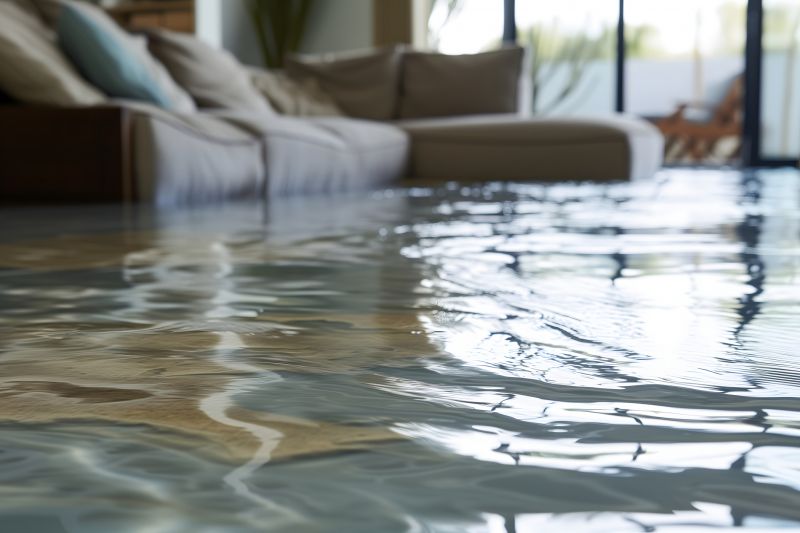
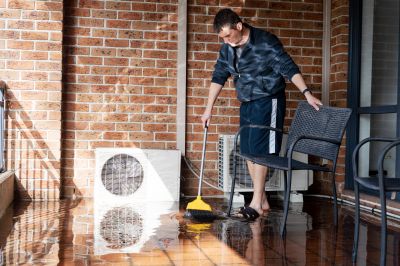
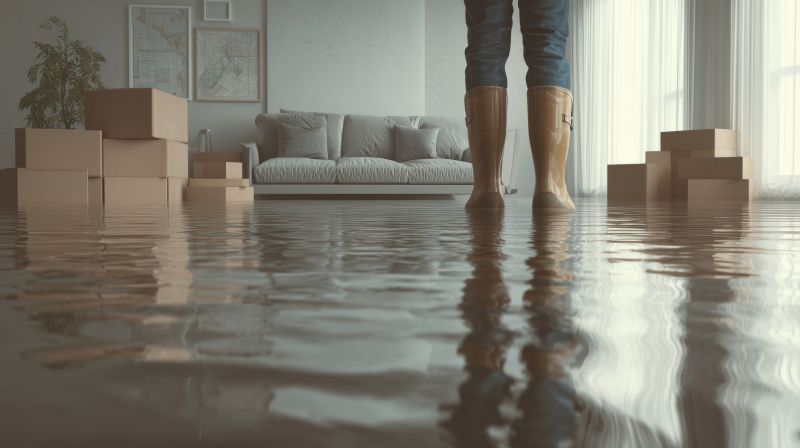
Water damage restoration services involve the process of assessing, removing, and repairing areas affected by water intrusion. When water leaks, floods, or plumbing failures occur, it can lead to significant damage to walls, floors, ceilings, and personal belongings. Skilled service providers use specialized equipment to extract standing water, dry out affected spaces, and prevent further deterioration. Proper restoration helps protect the property’s structure and reduces the risk of mold growth, which can develop if moisture is not thoroughly removed.
These services are essential for solving a variety of water-related problems. Common issues include burst pipes, appliance leaks, roof leaks, and flooding from storms or sewer backups. Water damage can compromise the integrity of building materials, cause discoloration, and create unpleasant odors. Restoring a property quickly and effectively minimizes long-term damage and helps return the space to a safe, livable condition. It’s especially important to address water issues promptly to prevent secondary problems like mold and structural weakening.
Water damage restoration is frequently needed in residential properties such as single-family homes, townhouses, and condominiums. These types of homes are often more vulnerable to water intrusion from plumbing failures, roof leaks, or flooding. Commercial properties, including office buildings and retail spaces, may also require water restoration services after plumbing failures or natural disasters. Regardless of the property type, local service providers can evaluate the extent of water damage and implement appropriate restoration measures to help restore the property’s condition.
Homeowners and property managers should consider water damage restoration services whenever they notice signs of water intrusion, such as damp walls, musty odors, or visible staining. Prompt action can prevent further damage and reduce repair costs. Whether dealing with a small leak or major flooding, connecting with experienced local contractors ensures that the problem is handled efficiently and thoroughly. These professionals are equipped to restore properties affected by water and help maintain a safe, healthy living or working environment.
The overview below groups typical Water Damage Restoration projects into broad ranges so you can see how smaller, mid-sized, and larger jobs often compare in your area.
In many markets, a large share of routine jobs stays in the lower and middle ranges, while only a smaller percentage of projects moves into the highest bands when the work is more complex or site conditions are harder than average.
Smaller Repairs - Most minor water damage restoration projects typically cost between $250 and $600. These jobs often involve quick cleanup and basic repairs, which are common for routine incidents. Larger or more complex small jobs can sometimes reach higher costs but generally stay within this range.
Moderate Damage - For moderate water damage, local contractors usually charge between $1,000 and $3,000. This range covers more extensive repairs like partial drywall replacement and drying efforts, which are common for mid-sized incidents. Fewer projects extend beyond this band unless structural repairs are needed.
Severe Damage - Larger, more complex projects involving significant water intrusion or extensive structural repairs can range from $3,500 to $7,000 or more. These jobs are less frequent but may include extensive mold remediation or full room restoration.
Full Replacement - Complete water damage restoration involving full replacement of drywall, flooring, and fixtures can exceed $10,000 depending on the scope. Such projects are less common and typically reserved for severe damage requiring comprehensive rebuilding efforts.
Actual totals will depend on details like access to the work area, the scope of the project, and the materials selected, so use these as general starting points rather than exact figures.
Mold Remediation - involves removing mold growth caused by water intrusion, requiring similar moisture assessment and containment skills as water damage restoration.
Fire Damage Cleanup - shares expertise in debris removal, odor control, and structural cleaning, often following water damage from firefighting efforts.
Flood Cleanup Services - focuses on extracting standing water, drying structures, and preventing mold, using comparable equipment and planning as water damage restoration.
Structural Drying - involves drying out affected building materials after water intrusion, utilizing similar tools and techniques used in water damage mitigation.
Storm Damage Restoration - addresses water and structural damage caused by severe weather, requiring coordinated planning and water mitigation skills.
Carpet and Upholstery Water Damage Repair - involves specialized cleaning and drying of textiles affected by water, utilizing similar moisture control methods as water damage restoration.
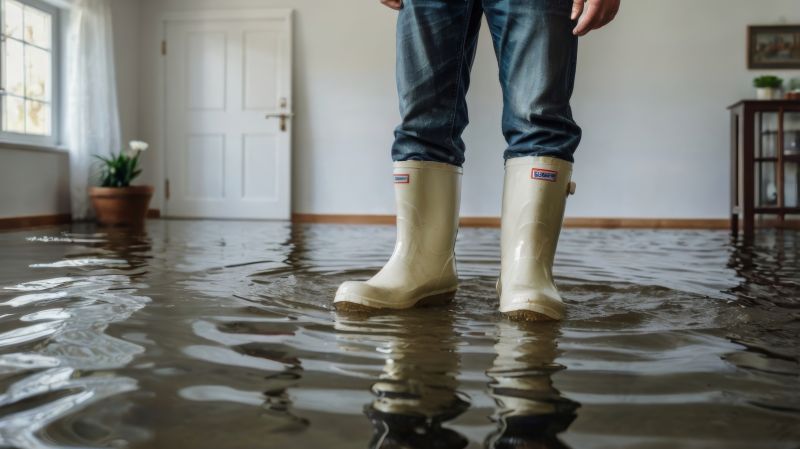
When comparing water damage restoration service providers, it is important to consider their experience with similar projects. Homeowners should inquire about how long a contractor has been handling water damage repairs and whether they have a track record of successfully completing projects comparable in size and scope. An experienced local contractor will typically have a better understanding of the common challenges associated with water damage and will be more equipped to handle unexpected issues efficiently, ensuring the work aligns with the specific needs of the property.
Clear written expectations are essential when choosing a water damage restoration provider. Homeowners should seek detailed information about the scope of work, the steps involved in the restoration process, and any warranties or guarantees offered. Having this information in writing helps establish transparency and provides a reference point throughout the project. It also allows homeowners to compare different service providers more effectively, ensuring that everyone is on the same page regarding what will be done and what to expect upon completion.
Reputable references and good communication are key indicators of a reliable local contractor. Homeowners are encouraged to ask for references from previous clients who had similar projects completed, as this provides insight into the contractor’s reliability, professionalism, and quality of work. Additionally, responsive and clear communication from the service provider can make the entire process smoother, as it ensures questions are answered promptly and concerns are addressed throughout the project. It is important to remember that this site introduces homeowners to local options, not that it performs the work itself, so taking the time to evaluate these factors can help secure a trustworthy partner for water damage restoration.
Property owners use Water Damage Restoration services for practical projects around their homes and businesses. This guide focuses on everyday jobs and straightforward project options.
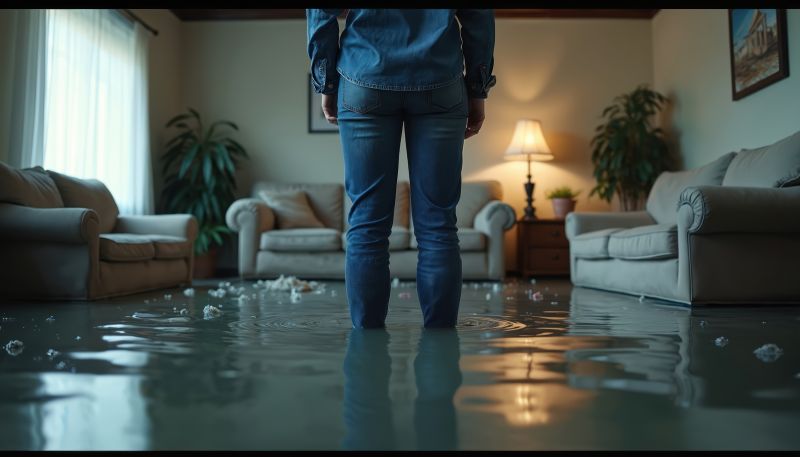
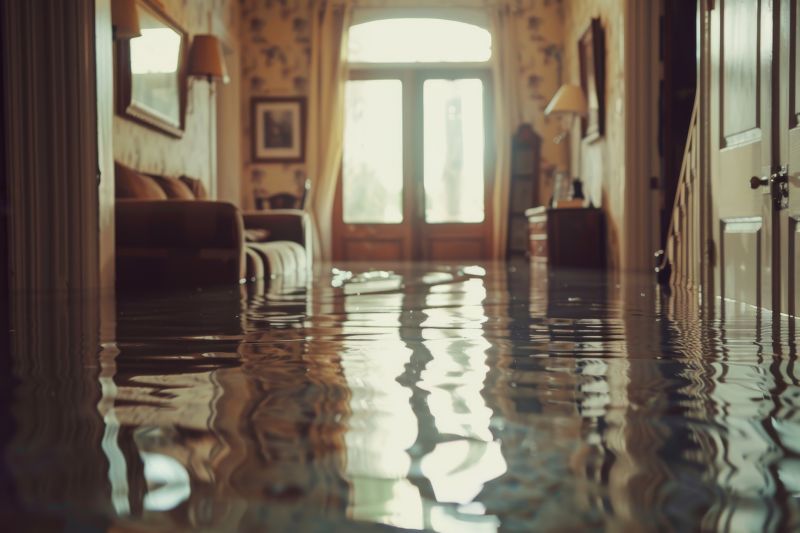
Water damage restoration services are often needed after common incidents such as burst pipes, leaking appliances, or heavy rain that causes flooding. Property owners in the area may seek out local contractors to address water intrusion quickly to prevent further damage, mold growth, or structural issues. These professionals can handle a variety of situations, from minor leaks that require drying and cleanup to major flooding that demands comprehensive restoration efforts.
In addition, property owners might look for water damage restoration when dealing with hidden issues like seepage or slow leaks that are discovered during home inspections or after an unexpected event. Local service providers are equipped to assess the extent of water intrusion, remove excess moisture, and restore affected areas, helping property owners protect their investments and maintain a safe, healthy environment.
What causes water damage in homes? Water damage can result from leaks, burst pipes, appliances, or natural flooding that compromises the structure and interior of a property.
How do local contractors handle water damage restoration? They assess the affected area, remove standing water, dry out materials, and restore the property to its pre-damage condition.
What are common signs of water damage to look for? Signs include discoloration, musty odors, warped surfaces, peeling paint, and visible water or mold growth.
Can water damage lead to mold growth? Yes, excess moisture from water damage can promote mold growth if not properly addressed during restoration.
How can I find qualified water damage restoration service providers? This site helps connect with local contractors experienced in water damage cleanup and repair for your area.
Water Damage Assessment - Property owners can have local contractors evaluate the extent of water intrusion after a leak or flooding incident.
Structural Drying - Homeowners experiencing persistent dampness can arrange for professionals to thoroughly dry out affected areas.
Mold Prevention - Those noticing a musty smell or visible mold can connect with local pros to address moisture issues before mold develops.
Content Restoration - Property owners with water-damaged belongings can find specialists to help salvage and restore personal items.
If you are thinking about Water Damage Restoration for a property, this guide is meant to help you understand the work, the typical project types, and how different options might fit your plans.
When you are ready, you can use the quote form on this page to share a few details about your project. From there, local pros can review the basics and respond with options that match what you have in mind.