Emergency Storm Repairs Timing
Emergency storm repairs are most effective when performed promptly after a storm event to mitigate further damage and ensure safety. Immediate action helps prevent structural deterioration, water intrusion, and secondary issues that can arise from prolonged exposure to storm-related damage.
Addressing damage immediately after a storm minimizes risks and prevents escalation of problems.
Clear weather following a storm allows for safer and more efficient repairs.
Conducting assessments as soon as possible ensures accurate damage evaluation and prioritization.
Certain seasons may influence repair scheduling due to weather patterns and accessibility.
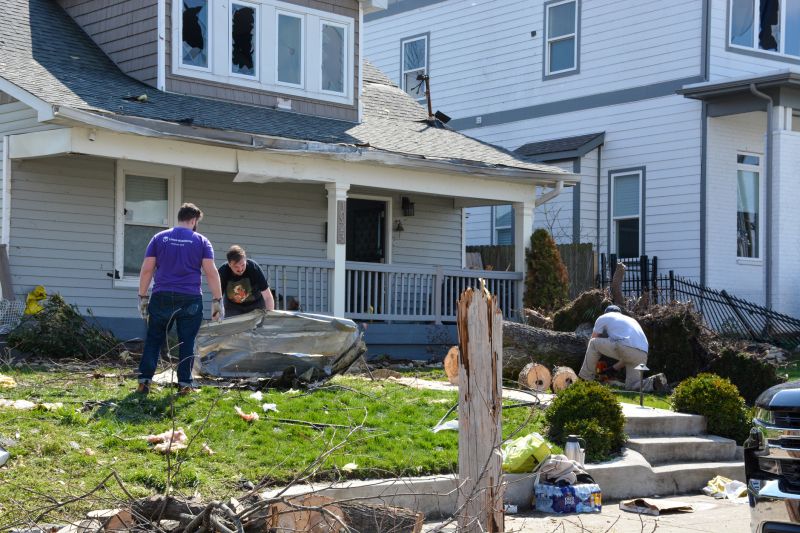
Initial evaluation of storm-related damage to determine repair urgency.
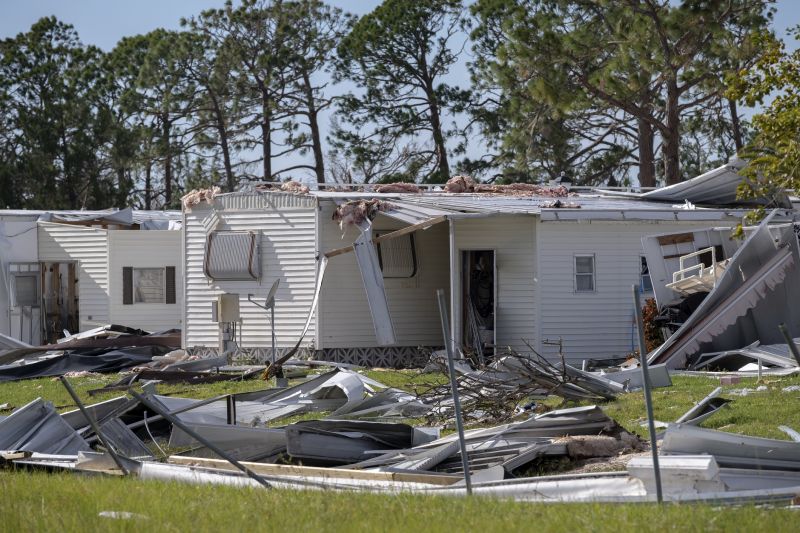
Immediate action reduces the risk of further structural issues.
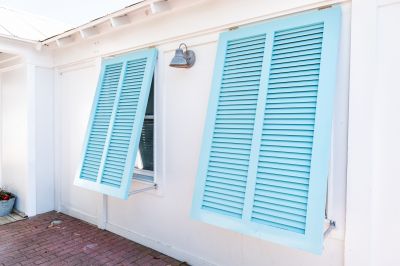
Quick fixes to secure property until permanent solutions are implemented.
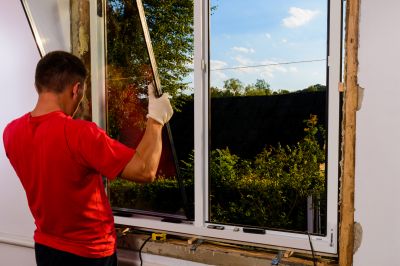
Optimal repair conditions occur during stable weather following a storm.

Road and site accessibility influence repair scheduling and execution.
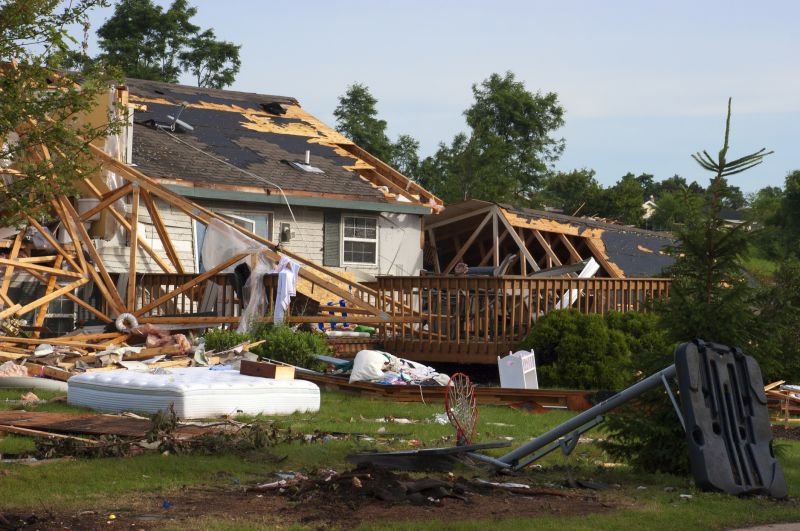
Assessing which repairs are urgent based on severity and safety concerns.
| Factor | Impact on Timing |
|---|---|
| Storm Severity | More severe storms require quicker response. |
| Weather Conditions | Clear weather allows for safer repairs. |
| Damage Extent | Wider damage mandates earlier intervention. |
| Resource Availability | Availability of crews and materials influences timing. |
| Season | Certain seasons may delay or accelerate repair efforts. |
| Accessibility | Obstructions or site inaccessibility can cause delays. |
| Safety Risks | High safety risks necessitate immediate action. |
| Property Type | Structural complexity affects response time. |
Emergency storm repairs are critical to restoring safety and stability after severe weather events. Prompt intervention can prevent secondary damage, reduce repair costs, and protect property value. Planning repair activities around favorable weather conditions and resource availability enhances effectiveness and safety. Regular assessment and readiness ensure rapid response when storms occur, minimizing potential hazards and property loss.
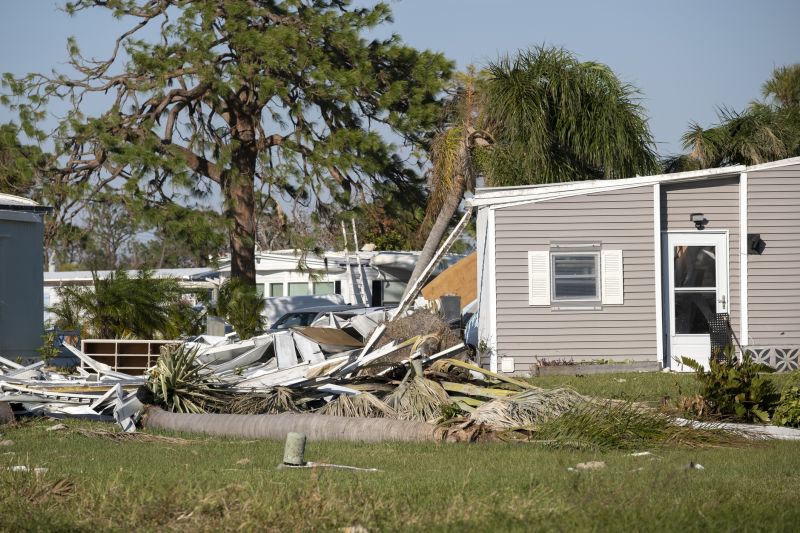
Visual and structural evaluation immediately after a storm.
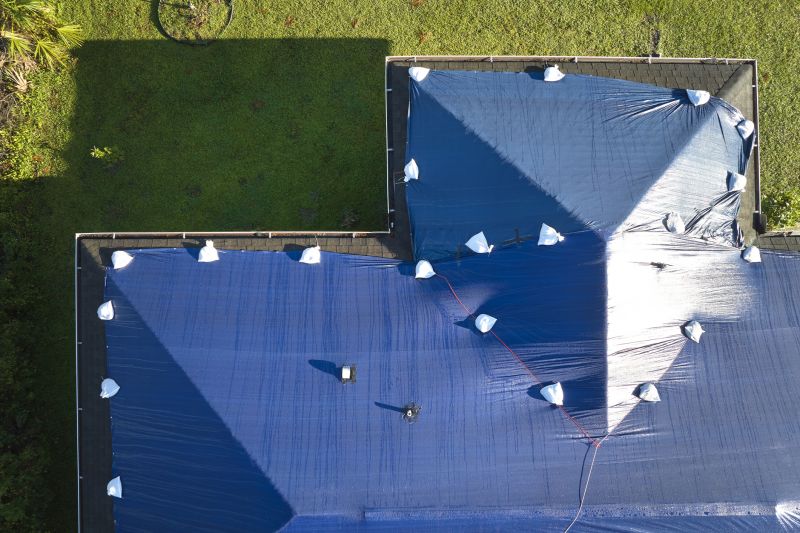
Use of tarps and braces to prevent further damage.
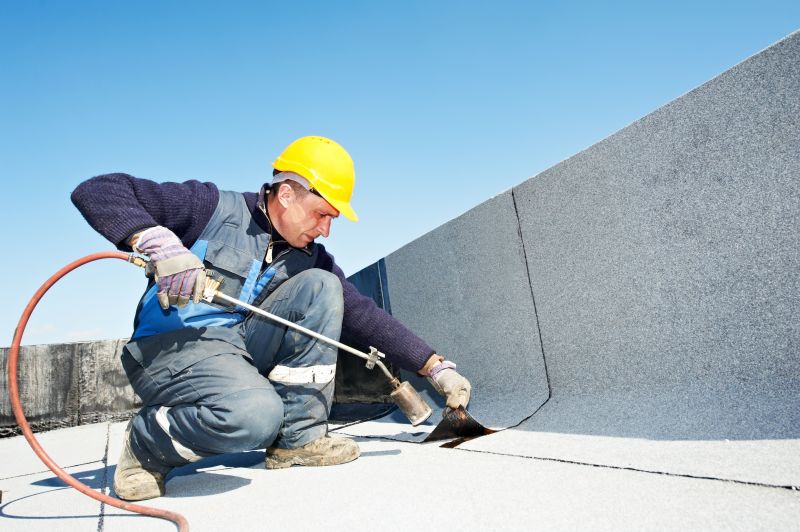
Sealing leaks promptly to prevent water intrusion.
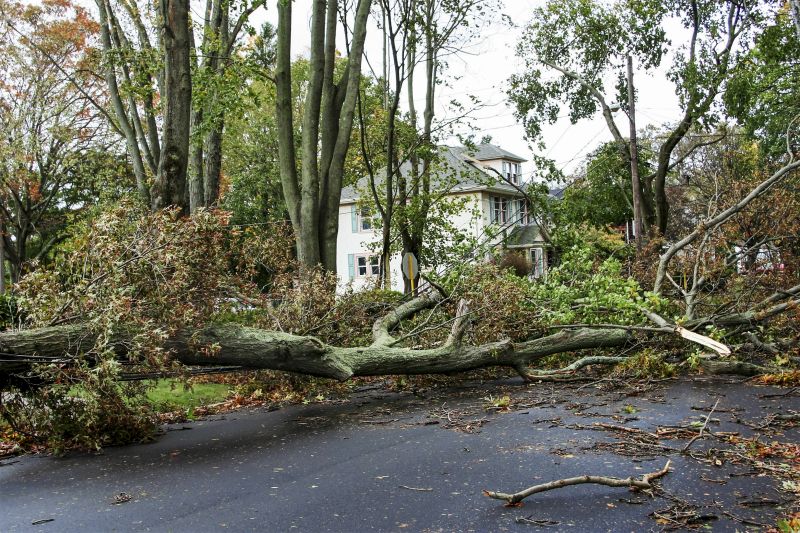
Clearing fallen trees and debris to access damaged areas.
Filling out a contact form is recommended for those seeking emergency storm repair services. Early contact ensures timely assessment and intervention, helping to secure property and prevent further issues. Immediate response can significantly reduce repair costs and restore safety efficiently.